
Face
Pico Laser
Picosecond laser for pigment, redness, melasma, and tattoo removal. Now booking for our October 19 launch
Overview
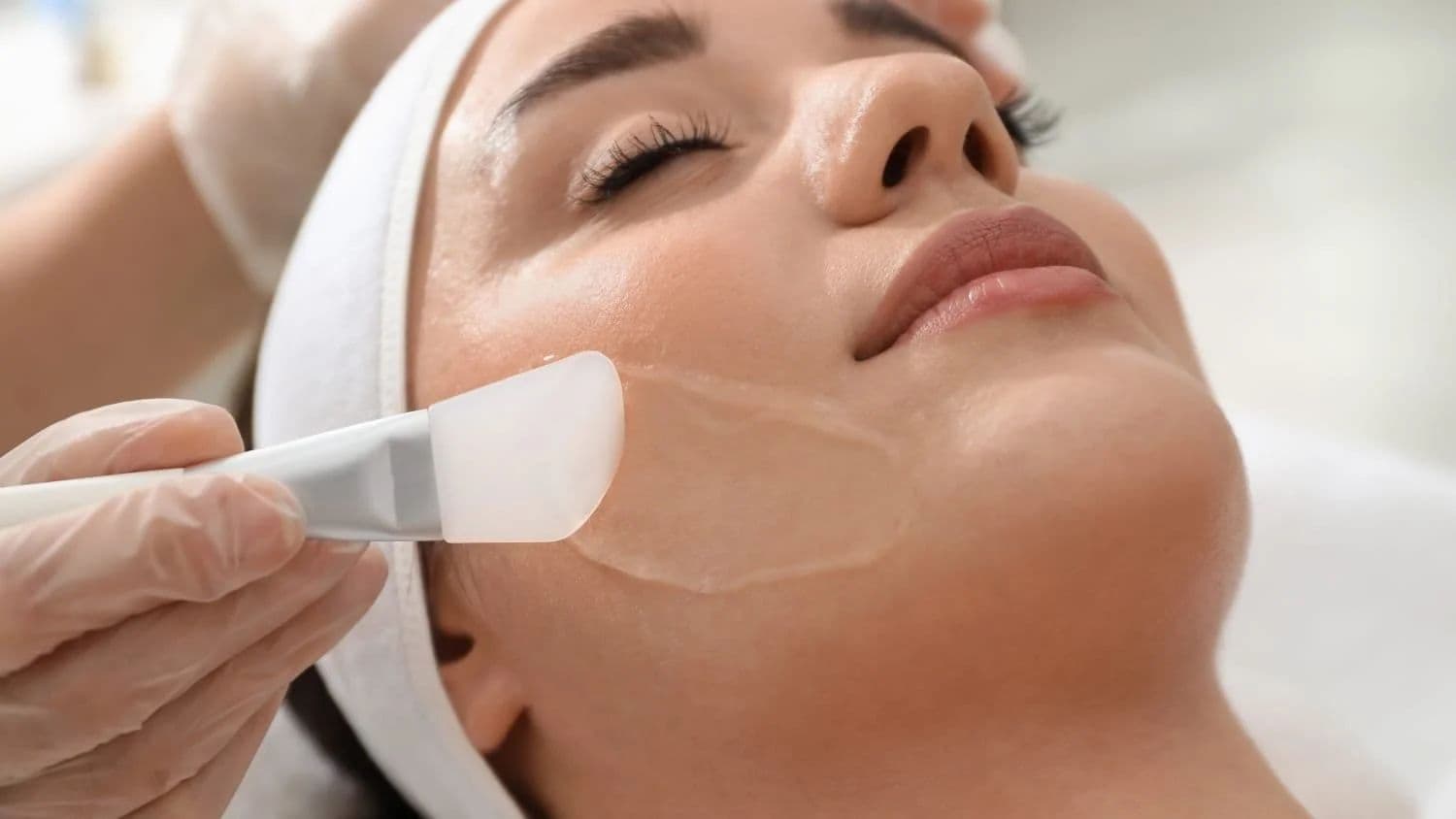
On October 19, 2026, Jade Aesthetics in Wheaton, IL begins offering pico laser treatments for sun spots, age spots, freckles, melasma, redness and visible vessels, uneven tone, and unwanted tattoos, including old microblading and permanent makeup. Consultations are open now, so you can have a plan and a test spot in place before the first treatment days fill.
A pico laser delivers energy in picosecond pulses, measured in trillionths of a second. Pulses that short break pigment apart with pressure rather than heat, a process called the photoacoustic effect. Older pigment lasers and IPL rely more on heating the target, which carries more risk of irritation and rebound darkening, particularly in medium and deeper skin tones. Pico lasers typically combine several wavelengths in one platform, so one device can reach surface pigment, deeper pigment, redness, and several colors of tattoo ink.
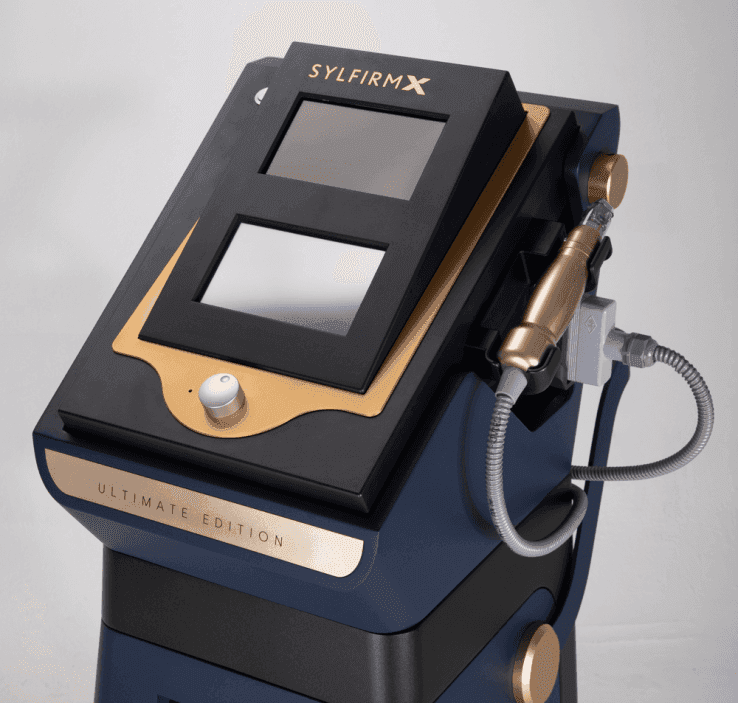
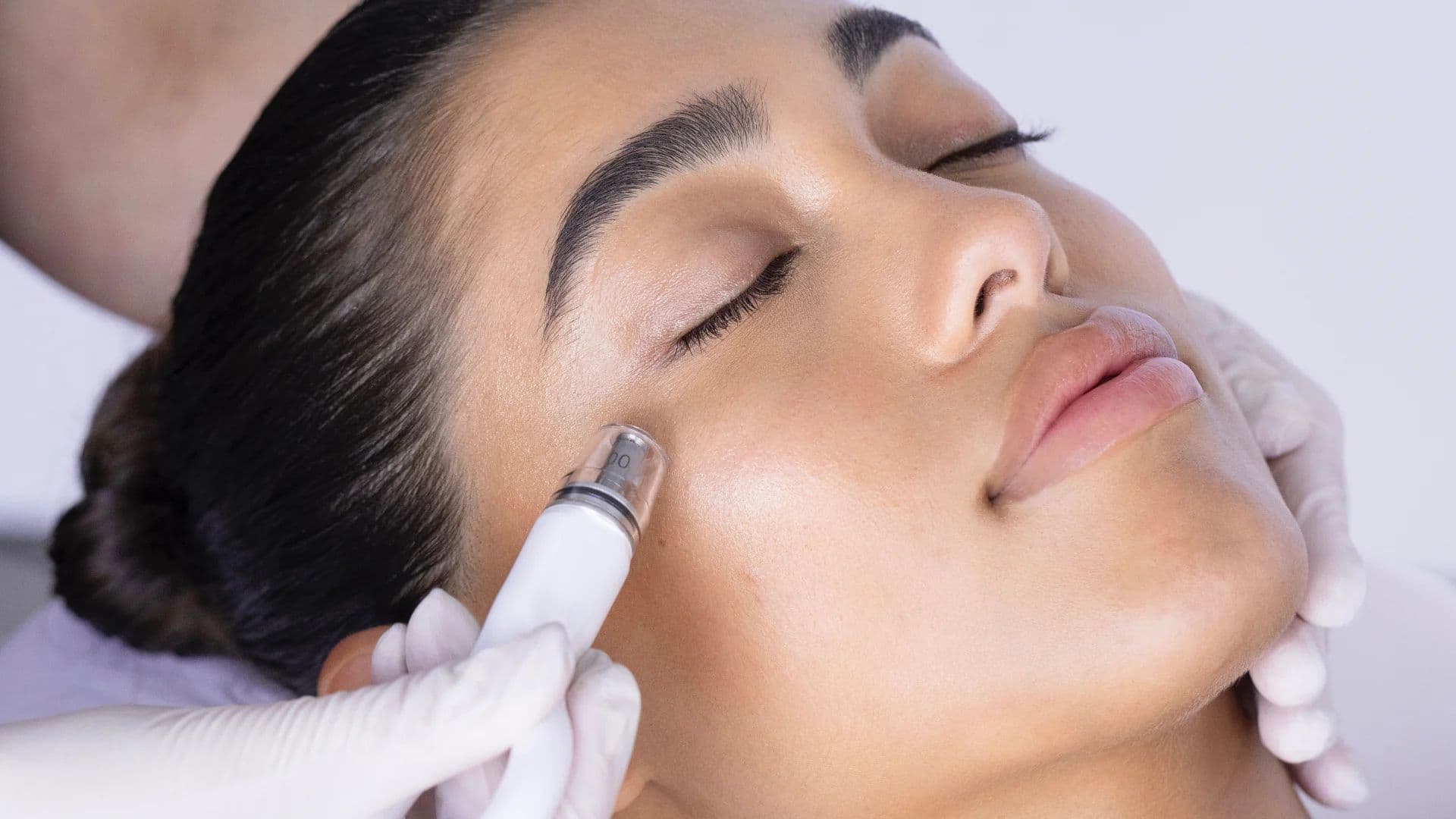
Patients come to us from Wheaton, Glen Ellyn, Naperville, and Lombard for pigment and tone, and until now we have treated most of it with VI Peel and Sylfirm X. The pico laser works differently from both, and for many concerns it is the more direct route.
Benefits
- Treats sun spots, age spots, freckles, melasma, redness, and uneven tone
- Removes tattoo ink, microblading, and permanent makeup over a series
- Breaks pigment apart with pressure rather than heat, so less stress on surrounding skin
- Typically suitable across a wide range of skin tones with careful settings and a test spot
- Quick sessions, often 15 to 30 minutes for the face
- Minimal downtime for most pigment treatments, usually a day or two of pinkness
What to Expect
Consultation
Your provider examines the pigment, redness, or ink you want treated, reviews your history and medications, and confirms the pico laser is the right tool.
Test Spot
For melasma, deeper skin tones, cosmetic tattoos, or a first laser treatment, we often treat a small area first and check it one to two weeks later before a full session.
Preparation
Skin is cleansed and photographed. For tattoo removal and sensitive areas, a topical numbing cream may be applied. You wear protective eyewear throughout.
Laser Treatment
The handpiece moves across the area in short passes. Most patients describe a quick snap, like a rubber band, with brief warmth. A full face typically takes 15 to 30 minutes; a small tattoo may take a few minutes.
Cooling and SPF
Skin is cooled, a soothing balm goes on, and you leave with mineral SPF 30 or higher in place. Tattoo sites are dressed before you go.
Is This Right for You?
Pico laser suits adults who want to clear sun spots, age spots, or freckles, soften melasma, reduce redness and small visible vessels, even out tone, or remove a tattoo, microblading, or permanent makeup. It is often a good fit for people who still see stubborn pigment after topicals and peels, and for medium and deeper skin tones that were told other lasers were too risky.
Some people should wait. If you are pregnant or breastfeeding, we will ask you to postpone. If you have taken isotretinoin (Accutane) in the past six months, have an active infection, cold sore, or open wound in the area, or have a recent tan, sunburn, or spray tan, we will reschedule until your skin is calm and untanned. Melasma patients should expect a management plan rather than a cure, and we will say so plainly before you book a series.
Aftercare
- Apply broad-spectrum SPF 30 or higher every morning and reapply outdoors; this matters more than any other step
- Avoid direct sun, tanning beds, and self-tanner on the treated area for at least two weeks
- Expect pinkness and mild swelling for a day or two; cool compresses help
- Treated spots often darken, like coffee grounds, before flaking off over five to ten days; let them shed on their own
- Skip retinoids, exfoliating acids, and scrubs for about a week, or until flaking is finished
- For tattoo removal, keep the area clean, use the recommended ointment, and do not soak, scrub, or pick at blisters or scabs
Results & Timeline
For sun spots and age spots, treated pigment typically darkens within hours, then flakes away over one to two weeks. Many patients see a clear difference after one session and reach their goal in two to four sessions spaced four to six weeks apart.
Melasma improves more gradually. Most plans call for three to five sessions, about four weeks apart, at lower energy. Because melasma is driven by hormones, heat, and light, it can return, and ongoing sun protection with occasional maintenance is part of the plan from the start.
Tattoo removal is the longest timeline. Most tattoos need six to ten sessions spaced six to eight weeks apart; cosmetic tattoos such as microblading usually need fewer.
How does a pico laser work?
A pico laser fires pulses so short that pigment shatters from pressure rather than heat. When a picosecond pulse is absorbed by melanin or tattoo ink, it creates a rapid acoustic wave inside the particle that fractures it into much smaller fragments. Your immune system clears the fragments over the following weeks, which is why spots fade gradually.
Older Q-switched nanosecond lasers and IPL depend more on heating pigment until it breaks down. That heat spreads into surrounding skin and, in skin that makes pigment easily, can trigger post-inflammatory hyperpigmentation. Shorter pulses deliver less heat, which is one reason picosecond lasers are a common choice for pigment in medium and deeper skin tones.
Pico lasers typically offer more than one wavelength: shorter ones for surface pigment and red tones, longer ones that reach deeper and are safer for darker complexions.
What does a pico laser treat?
At Jade Aesthetics, the pico laser is for pigment, redness, tone, and unwanted ink.
Sun spots and age spots. The flat brown spots on the face, chest, and hands are the most straightforward target.
Freckles. Dense freckling can be lightened and evened out, though it returns with sun exposure.
Melasma. The symmetrical patches on the cheeks, forehead, and upper lip. Pico laser is used at low settings over several sessions, usually alongside topical care, with control rather than cure as the goal.
Redness and visible vessels. Flushing, broken capillaries around the nose, and small red spots respond to the shorter wavelengths that target hemoglobin.
Uneven tone. A full-face pass brightens dull skin and refines pores.
Tattoo removal. Black and dark blue ink respond best, and many colors can be treated with the right wavelength. Partial fading for a cover-up is also an option.
Microblading and permanent makeup removal. Brows that have faded to gray, blue, or orange, or lip liner that no longer suits you, can typically be lightened or removed.
Is pico laser safe for melasma and darker skin tones?
Pico laser is one of the safer energy-based options for melasma and for medium and deeper skin tones, but safety depends on settings, spacing, and a conservative provider, not on the word pico alone. Shorter pulses deliver less heat to the skin around the pigment, which lowers the risk of the post-inflammatory darkening that older lasers were known for in Fitzpatrick types IV through VI.
For melasma and deeper skin, we typically use the longer wavelength at low energy, start with a test spot, and space sessions about four weeks apart.
Melasma deserves honesty. It is a chronic condition driven by hormones, heat, and both ultraviolet and visible light. Studies of laser treatment for melasma report that it can return in a meaningful share of patients within six months, especially without strict sun protection. A pico laser can lighten melasma and give you a clearer baseline, but it works best alongside daily tinted mineral sunscreen, a maintenance topical, and a touch-up when the patches start to return.
Pico laser vs IPL: what is the difference?
IPL is a broad flash of light that heats pigment and vessels, while a pico laser is an ultra-short pulse that fractures pigment with pressure. Both improve sun spots, redness, and overall tone with little downtime, so the choice depends on your skin and your goal.
IPL, short for intense pulsed light, covers a wide area in each flash and treats brown and red together. It works well for diffuse sun damage and flushing in lighter skin. Because it works by heat across a broad spectrum, it is typically limited to Fitzpatrick types I through IV and is not used on tanned skin.
A pico laser is more precise. It can be tuned to a specific depth and target, it is typically safe across a wider range of skin tones, and it reaches deeper pigment. It also removes tattoo ink and treats melasma with a low-heat approach, which IPL cannot do.
For sun spots, melasma, or pigment in medium to deep skin, pico laser is usually the better fit.
How many pico laser sessions will I need?
Most pigment concerns need two to four sessions, melasma needs a longer and gentler series, and tattoo removal typically takes six to ten.
Sun spots and age spots: one to three sessions, four to six weeks apart.
Freckles and overall tone: two to four sessions, four to six weeks apart, then a maintenance session once or twice a year.
Melasma: three to five sessions at low energy, about four weeks apart, followed by maintenance as needed. Expect gradual lightening rather than a dramatic change after any single visit.
Redness and visible vessels: two to four sessions, four to six weeks apart.
Tattoo removal: six to ten sessions, six to eight weeks apart. Small, old, black tattoos sit at the low end; dense or colorful ones at the high end or beyond.
Microblading and permanent makeup: often two to five sessions, six to eight weeks apart.
The spacing matters as much as the count. Skin needs four to eight weeks to clear fragmented pigment between sessions; treating sooner only raises the risk of irritation.
What should I expect from pico laser tattoo removal?
Tattoo removal with a pico laser is a series of short sessions spaced six to eight weeks apart, and the tattoo fades a little more each time rather than disappearing at once. Your provider first looks at the ink colors, density, age, and location; older tattoos and those closer to the heart typically clear faster.
Ink color matters. Black and dark blue absorb laser energy best and typically clear most completely. Red, orange, and purple respond well to the right wavelength. Green and light blue still need more sessions, though picosecond lasers handle them better than nanosecond lasers did. Yellow, white, and pastel inks are the most stubborn, and white ink can darken temporarily when treated, which is one more reason we test first.
The area is usually numbed with a topical cream, and the pass takes a few minutes for a small tattoo. Immediately afterward the treated ink turns white or gray for several minutes, an effect called frosting. It is caused by tiny gas bubbles forming as the ink fractures, it fades on its own, and it is a normal sign the laser reached the ink, not a burn.
For several days afterward the area may be red, swollen, and tender, and small blisters are possible early in the series. Keep it clean and covered with the ointment we recommend, do not pick, and avoid soaking until the skin has closed.
Complete removal is not guaranteed. A faint shadow or slight texture change can remain, especially with colored ink or scarring from the original tattoo, and we will tell you at the consultation whether full removal or a fade for a cover-up is the realistic goal.
Can a pico laser remove microblading?
Microblading and other permanent makeup can typically be lightened or removed with a pico laser over a short series. Brows that healed too dark, spread wider than the strokes that were drawn, or shifted to gray, blue, or salmon as the pigment aged are all candidates.
Cosmetic pigments are not the same as body-art inks. Many brow and lip pigments contain iron oxide and titanium dioxide, which can darken on first contact with a laser before they fade. That reaction is well known and manageable, but it is why we always treat a small test area first and wait one to two weeks before the full brow. Brow hair is shielded, and any hair that sheds typically grows back.
Most microblading needs two to five sessions, six to eight weeks apart. Lightening old work enough to have it redone can often happen in fewer. Saline removal is an alternative for some brows, and we will tell you honestly which approach fits your pigment.
Frequently Asked Questions
Related Treatments
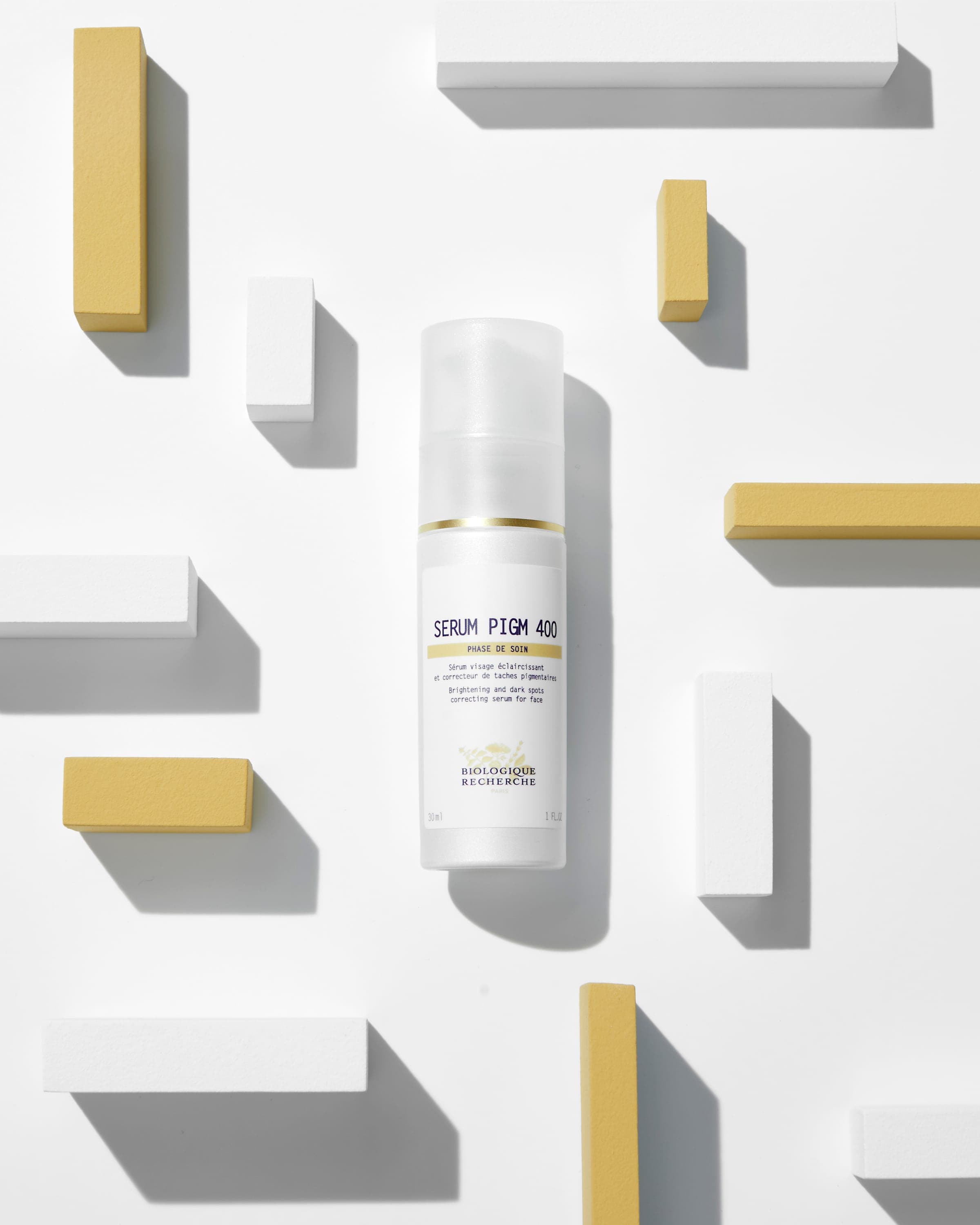
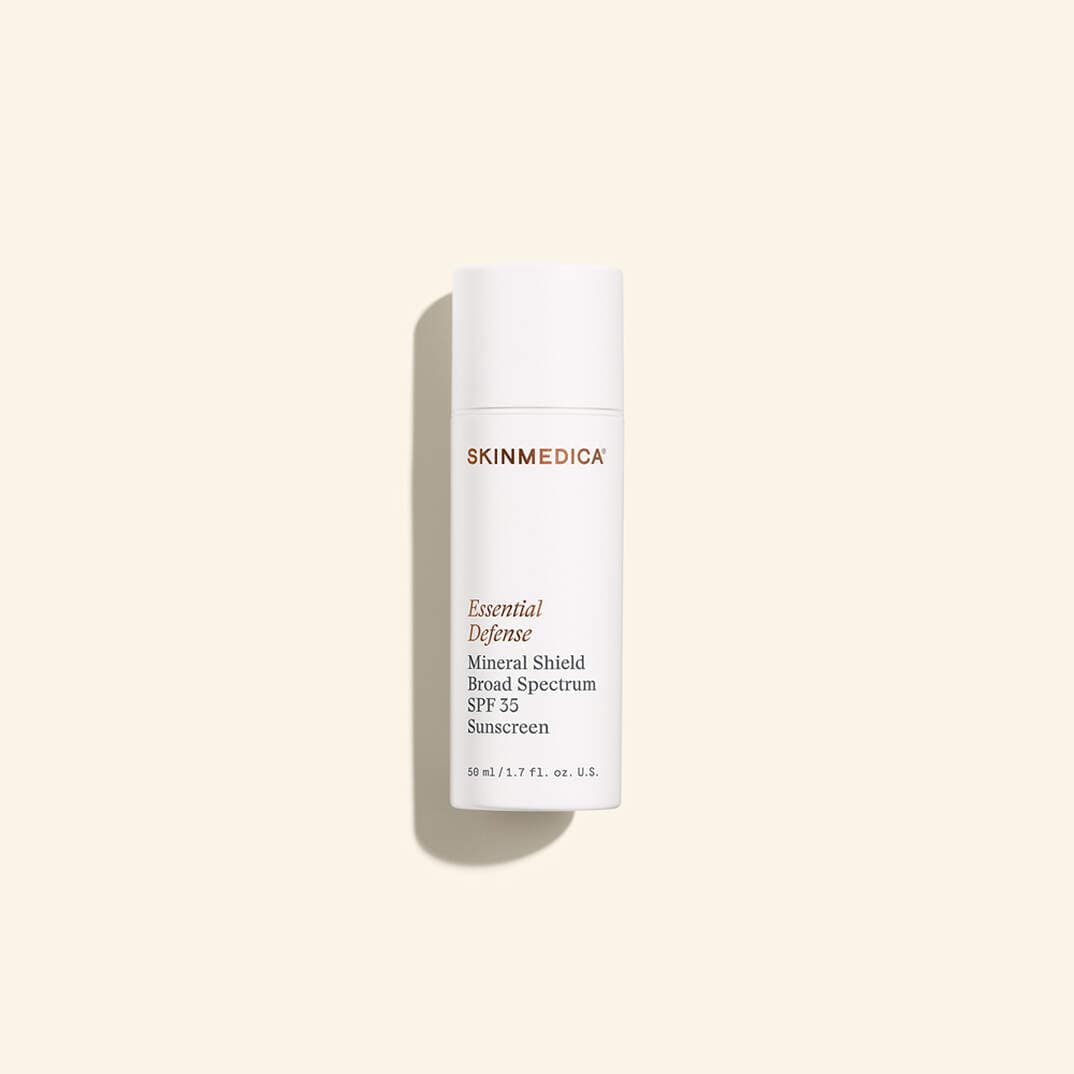
Recommended Products
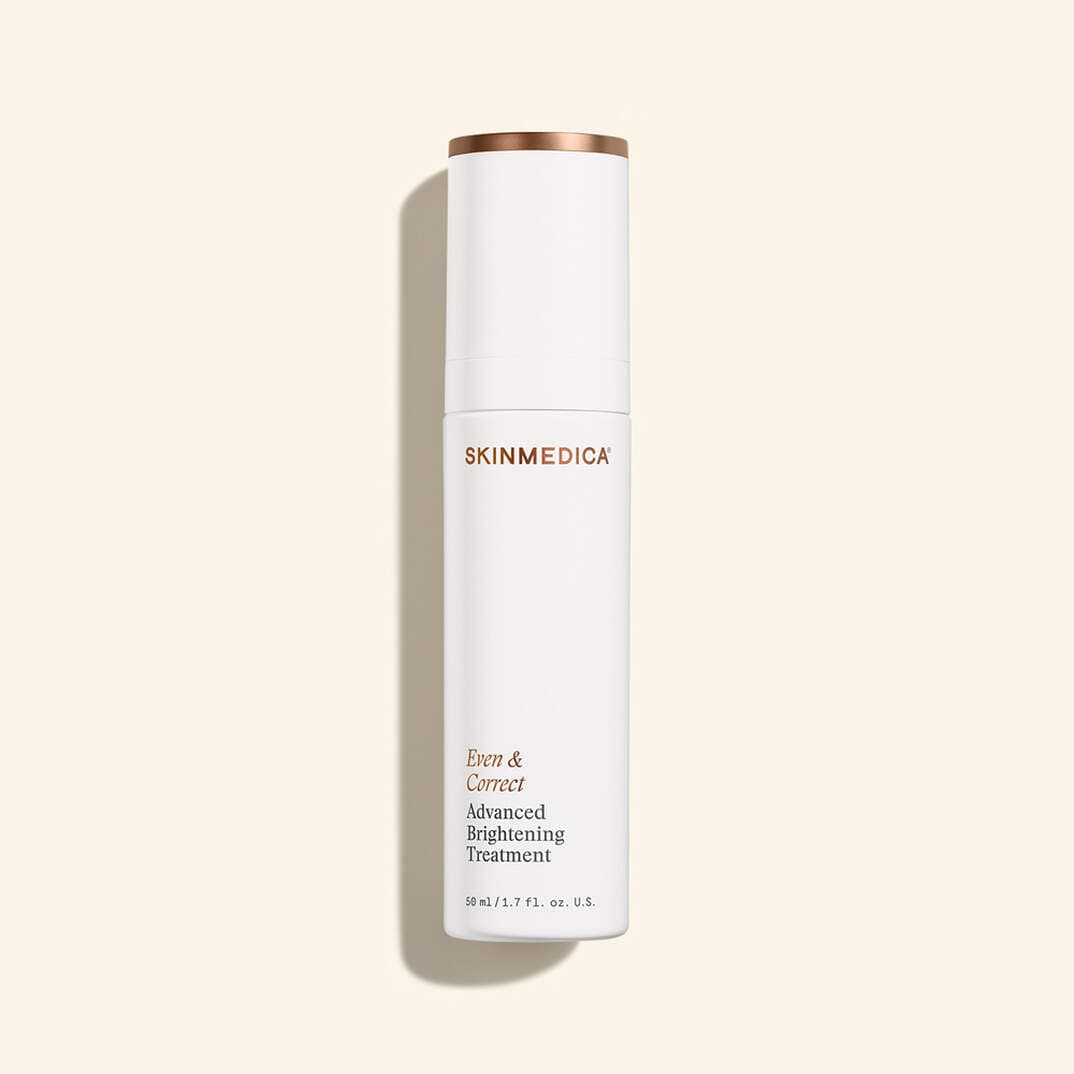
Maintain and enhance your Pico Laser results at home with these professional-grade products.
Book Your Pico Laser Consultation
Ready to experience Pico Laser at Jade Aesthetics? Schedule your personalized consultation at our Wheaton, IL med spa today.